
Understanding the Psychology Behind Gambling
The psychology of gambling is a complex interplay of behaviors, emotions, and cognitive processes. Many players enter casinos with preconceived notions about luck, strategy, and outcomes, often shaped by social and cultural influences. This psychology can lead to various myths, such as the belief that certain games are on a “hot” or “cold” streak, implying that players can predict short-term chances of winning based on past results, especially when they try their luck at mr luck casino or other popular gaming venues. These beliefs can significantly affect betting patterns, leading to emotional decision-making rather than rational strategies grounded in statistical probabilities.
Research indicates that the thrill of gambling can activate the brain’s reward system, compelling players to chase losses and continue betting, even when facing statistically unfavorable odds. This phenomenon can reinforce the myth that a player is on the verge of a winning streak, fostering an illusion of control or a false sense of security. Emotional factors like excitement and anxiety also play a crucial role in gambling behavior, often pushing players to adopt risky strategies or ignore sound financial principles, which can lead to significant losses over time.
Moreover, players frequently underestimate the house edge, the statistical advantage that casinos maintain in various games over the long term. This misunderstanding fuels the belief that skill-based games can consistently yield profits. To make informed decisions and mitigate the risk of developing problematic gambling behaviors, it is essential for players to educate themselves about their chosen games and understand the balance of chance versus skill involved in each. Recognizing these psychological influences is the first step towards fostering a healthier gambling mindset.
Myths Related to Winning Strategies
A common myth in gambling culture is the existence of foolproof winning strategies or systems that guarantee success. Many players fall victim to betting systems that promise to beat the odds, such as the Martingale or Fibonacci betting strategies. These systems often gain popularity due to anecdotal evidence or testimonials, creating an illusion of effectiveness. However, they typically overlook the fundamental principles of probability and the inevitable house edge, leading players to incur significant losses when these systems inevitably fail.
Additionally, the misconception that specific betting patterns can influence outcomes in games of chance, like slots or roulette, can mislead players into making decisions based on faulty reasoning. For example, some gamblers believe that by betting in a certain sequence, they can alter the randomness of the results. In reality, each spin or deal is independent, and previous outcomes do not affect future results, rendering these strategies ineffective and misleading. Understanding the nature of randomness is crucial for maintaining a realistic perspective on gambling.

Furthermore, the belief that experienced players always possess the knowledge to win can set unrealistic expectations for newcomers. While skill can play a role in games like poker, where strategy and psychology are essential, many other games rely purely on chance. New players must come to terms with the fact that gambling should primarily be viewed as a form of entertainment rather than a dependable source of income. Acknowledging the limitations of strategies is vital for fostering a healthy approach to gambling and avoiding the pitfalls associated with unrealistic expectations.
The Impact of Addiction and Problem Gambling
One of the most critical myths surrounding casino gambling behavior is the perception that addiction is easily identifiable and affects only a small segment of the population. In reality, problem gambling can manifest in diverse ways, often going unnoticed until substantial financial or personal consequences arise. Many individuals who engage in excessive gambling may not see themselves as “addicts,” as their behavior can be cloaked in denial, making it challenging for them to seek help. This lack of recognition can hinder their ability to address their gambling habits effectively.
Moreover, the notion that problem gambling primarily impacts low-income individuals is misleading. Research indicates that addiction can transcend socioeconomic boundaries, affecting individuals from all backgrounds. Many affluent individuals may engage in high-stakes gambling as a means of coping with stress or other underlying issues, further perpetuating the myth that gambling addiction is solely a financial concern rather than a multifaceted psychological issue. Understanding these dynamics is crucial for addressing the stigma associated with gambling addiction.
Addressing gambling addiction necessitates a comprehensive understanding of its nature, as well as the various triggers that can lead individuals down this path. Factors such as genetics, mental health issues, and environmental influences often contribute to these behaviors. Comprehensive education about gambling risks and responsible practices is essential in mitigating the prevalence of addiction-related myths while promoting healthier gambling habits. By fostering an awareness of the complexities surrounding gambling addiction, society can better support those affected by it.
Social Influences on Gambling Behavior
Social factors play a significant role in shaping gambling behaviors and beliefs, often acting as a double-edged sword. The myth that gambling is a purely individual endeavor overlooks the profound influence of peer groups and social networks. Many individuals are first introduced to gambling through friends or family, and this socialization can lead to group dynamics that encourage riskier behavior. For instance, a group of friends might normalize frequent casino visits or high-stakes betting, reinforcing the belief that gambling is a fun and low-risk activity.
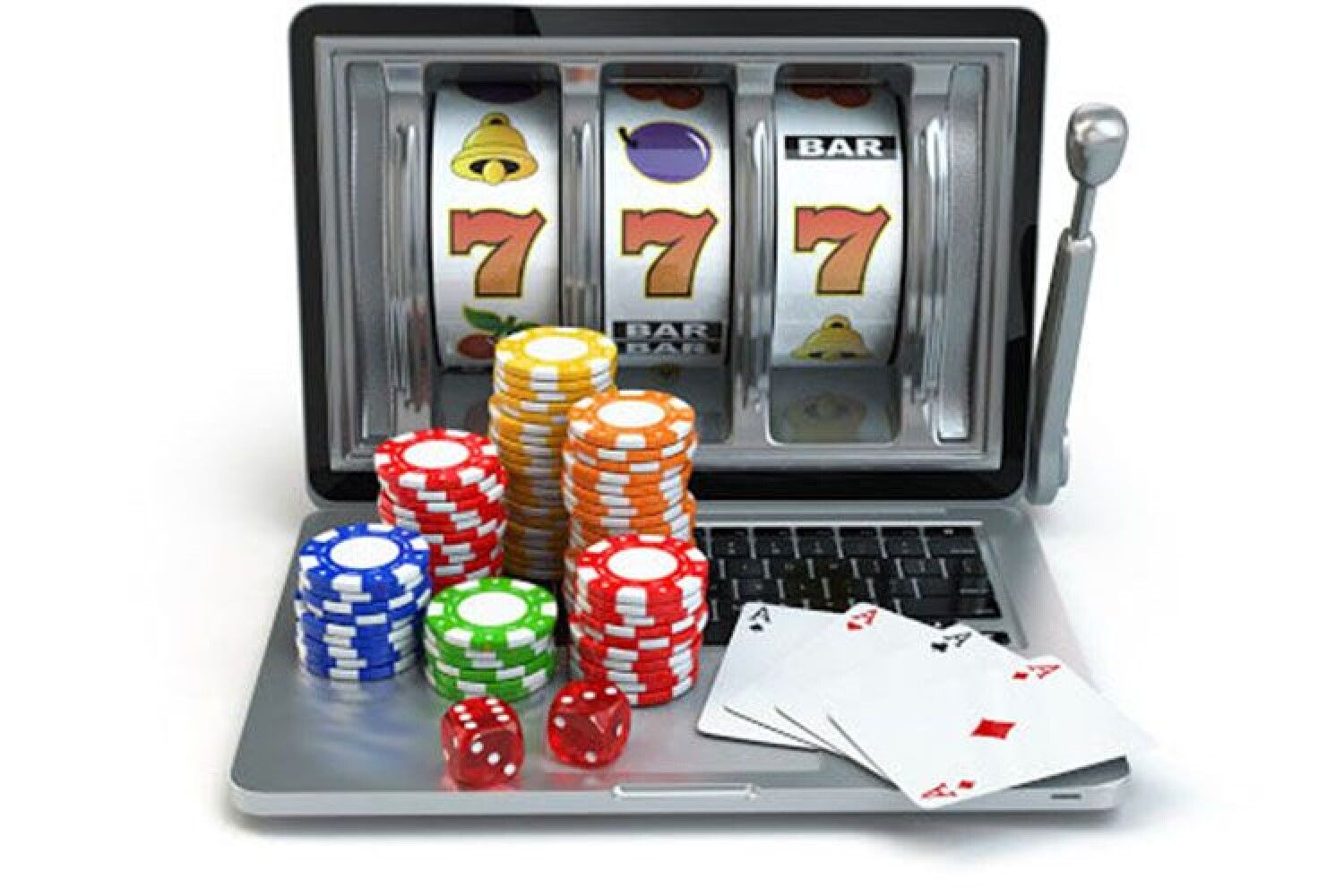
Additionally, public perceptions and narratives surrounding gambling can contribute to its glamorization in society. Movies, advertisements, and media portray gambling as an exciting and glamorous way to achieve wealth and status, often downplaying the inherent risks involved. This can create a misleading perception that success is common and attainable, fostering a belief that anyone can win big with just a little luck. Such portrayals can further entrench harmful gambling behaviors and expectations.
However, these social influences can also serve as protective factors. Communities that promote responsible gambling habits and raise awareness of associated risks can help individuals make informed choices. By encouraging open discussions about gambling and its potential dangers, society can dismantle some of the myths that contribute to harmful gambling behaviors and promote healthier attitudes toward this form of entertainment. Creating an environment that fosters responsible gambling can lead to more positive experiences for everyone involved.
Exploring Resources and Support
For those seeking to deepen their understanding of gambling behaviors and the myths surrounding them, a wealth of resources exists to provide education and support. Responsible gambling organizations offer valuable insights into the psychology of players, as well as guidance on financial management and self-exclusion tools. These resources empower individuals to recognize unhealthy gambling patterns and provide avenues for assistance when needed. Accessing these tools is vital for anyone looking to maintain a healthy relationship with gambling.
Additionally, websites dedicated to gambling education often feature informative articles, forums, and expert advice. By fostering a community of shared experiences, these platforms can help individuals confront their feelings and find support from others who share similar challenges. This sense of community can be instrumental in reducing the stigma attached to gambling addiction, encouraging people to address their issues openly. The more individuals engage with these resources, the better equipped they are to navigate their gambling experiences responsibly.
Ultimately, recognizing and unraveling the myths surrounding casino gambling behavior is essential for fostering a safer gambling environment. As more individuals become educated about the realities of gambling, the potential for problematic behavior diminishes. Engaging in responsible gambling practices creates a healthier approach for both casual players and those struggling with addiction, ensuring that this form of entertainment remains a positive experience for all. By prioritizing education and support, we can pave the way for a more informed and responsible gambling culture.